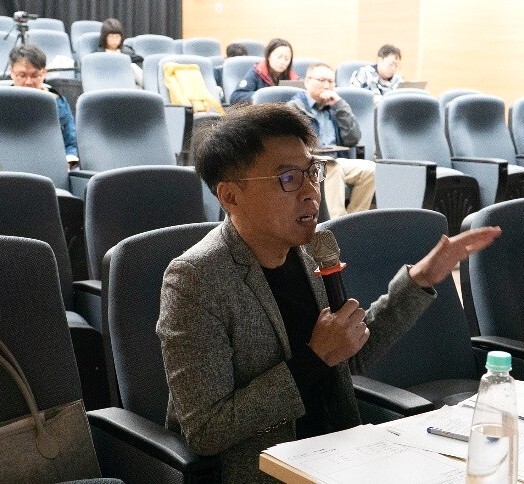
Ming Chi University of Technology Hosts 2025 Institutional Research Results Presentation: Evidence-Based Insights Driving University Governance and Teaching Enhancement
The Institutional Research Center of Ming Chi University of Technology held the “Faculty Institutional Research Project Results Presentation” on December 3, bringing together faculty members to share research outcomes on topics including enrollment strategies, teaching effectiveness, and curriculum development. The event demonstrated the practical value of institutional research in supporting university governance and data-informed decision-making.
The event featured advisory consultants Director Hung-Ming Lin of the Institutional Research Center at Chang Gung University of Science and Technology and Executive Secretary Wei-Chao Lin of Institutional Research at Chang Gung University, who provided professional feedback and insights. The session was moderated by Director Chao-Ming Yang of the Institutional Research Center. President Thu-Hua Liu attended and delivered opening remarks, affirming the critical role of institutional research in institutional planning and development, while Secretary-General Chin-Wan Chou also participated throughout the event, underscoring the university’s strong commitment to advancing institutional research initiatives.
Professor Pang-Hsiang Yu from the Department of Business Administration presented a study on Indonesian student recruitment. Through interviews with admissions officers at partner institutions, alumni, and local education experts, combined with survey data, the research identified key factors influencing Indonesian students’ decisions to study in Taiwan and enroll at Ming Chi University of Technology. Career development opportunities, scholarships, academic reputation, educational quality, and internship and employment prospects were found to be primary considerations. The findings also indicated that Indonesian students’ overall satisfaction with educational quality and learning support at the university exceeded expectations, offering valuable insights for future international recruitment strategies.
Professor Yi-Ting Lai from the Department of Materials Engineering examined learning outcomes among students in the practice-oriented program. Using survey data and academic performance analysis, the study explored the effects of different teaching approaches on students’ learning attitudes and internship performance. Results showed stable performance in learning attitudes, professional competence, and psychological resilience, while indicating opportunities to further strengthen career confidence and achievement motivation through curriculum design.
Professor Shy-Min Chen from the Department of Business Administration presented enrollment research findings using an interactive data map. Based on Maslow’s hierarchy of needs, the study analyzed factors influencing students’ application preferences and final enrollment decisions, highlighting notable regional differences. These findings will inform future recruitment communication strategies and new media outreach efforts.
Professor Liang-Jung Chien from the Department of Chemical Engineering shared evaluation results of the Energy Battery Technology credit program. Through diversified assessments and longitudinal tracking, the study demonstrated significant improvements in students’ professional knowledge, experimental skills, and problem-solving abilities. Positive outcomes were also observed in critical thinking and teamwork competencies, validating the effectiveness of the curriculum design and industry–academia collaboration model.
Professor Cheng-Hsiang Yang from the College of Management and Design explored the integration of generative AI into higher education. The research examined its impact on teaching methods, curriculum design, and learning behaviors. While AI technologies enhance learning efficiency, the study also noted emerging challenges related to students’ judgment and learning attitudes. It further proposed an AI literacy framework centered on critical thinking to guide future curriculum planning and instructional innovation.
The event concluded with an interactive discussion session, during which advisory consultants and participating faculty exchanged perspectives on the practical application of research findings and future institutional development directions.
The Institutional Research Center emphasized that it will continue to promote evidence-based institutional research, strengthen the application of research outcomes in governance and teaching enhancement, and support the university’s ongoing progress toward sustainable development.
|
|
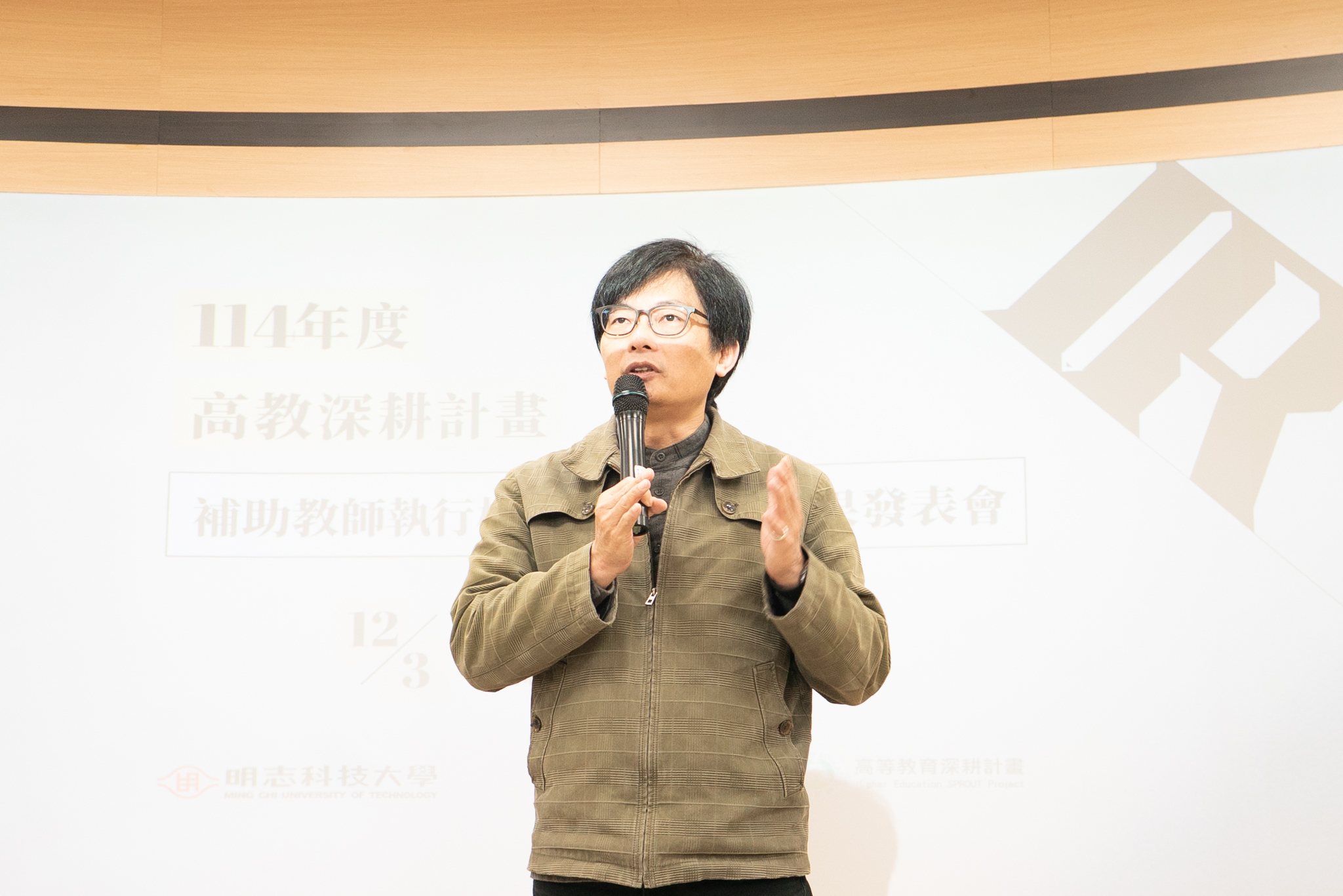 IR Center Dir. Yang delivered the opening remarks. IR Center Dir. Yang delivered the opening remarks. |
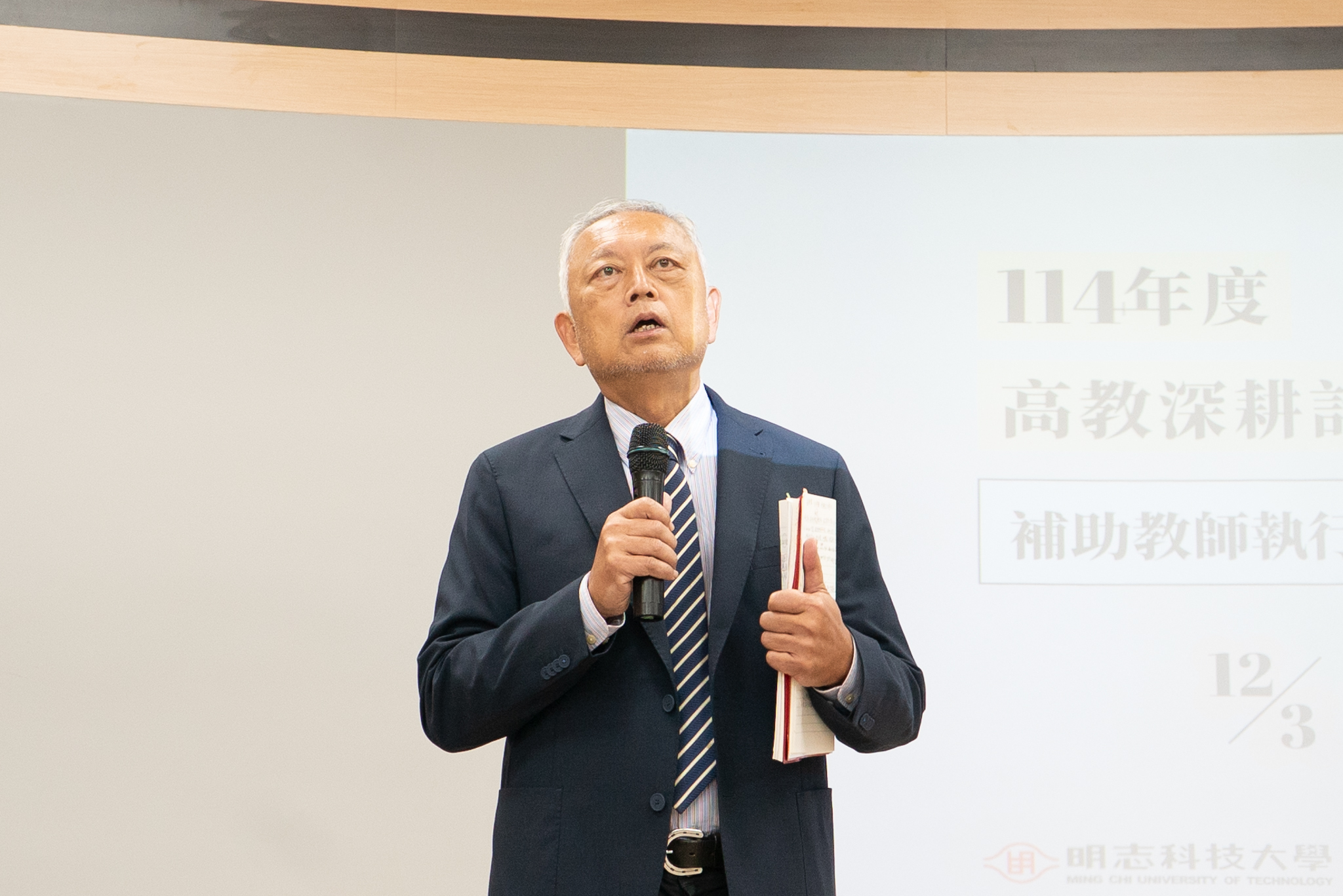 Remarks by Pres. Liu Remarks by Pres. Liu |
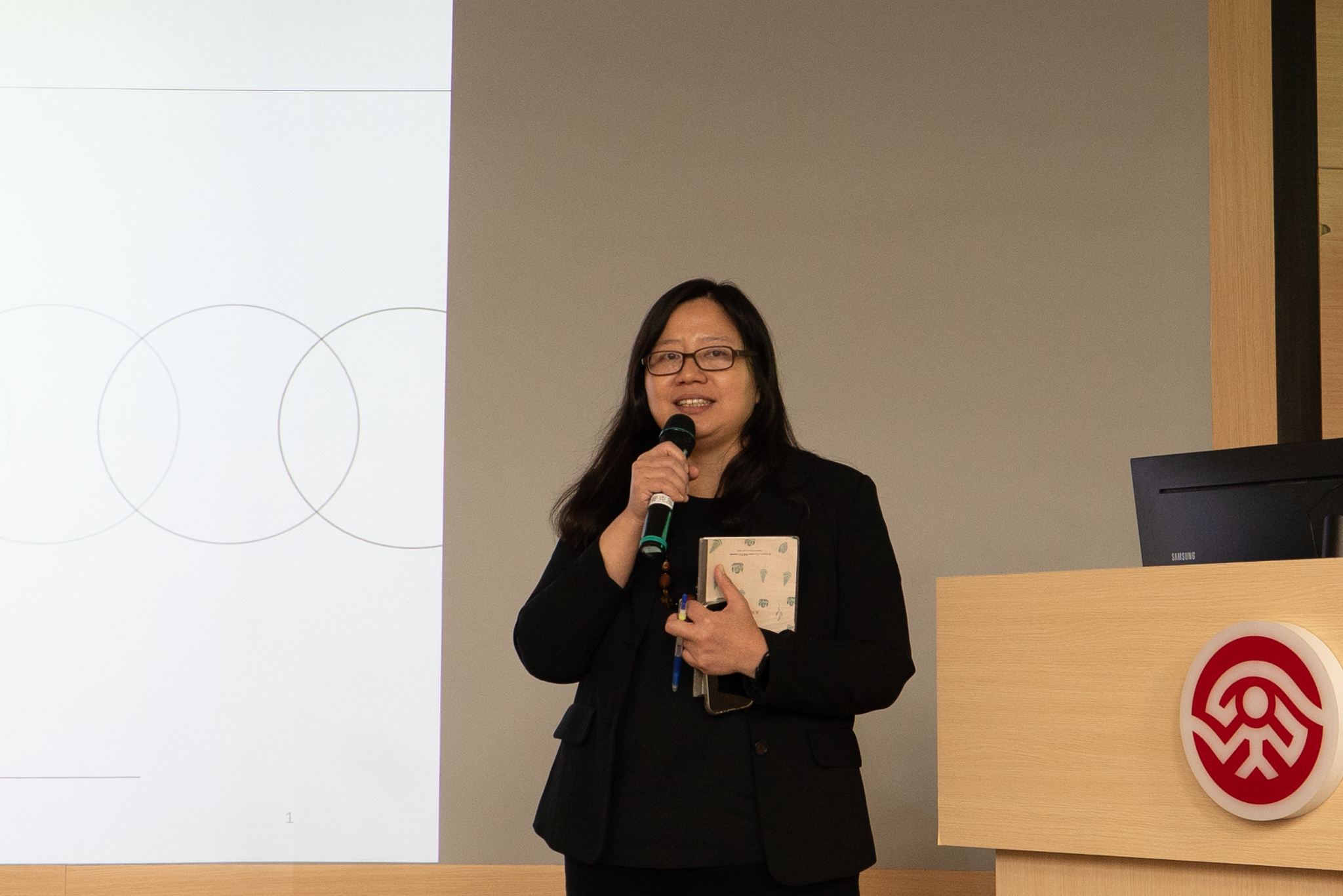 Presentation by Prof. Yu Presentation by Prof. Yu |
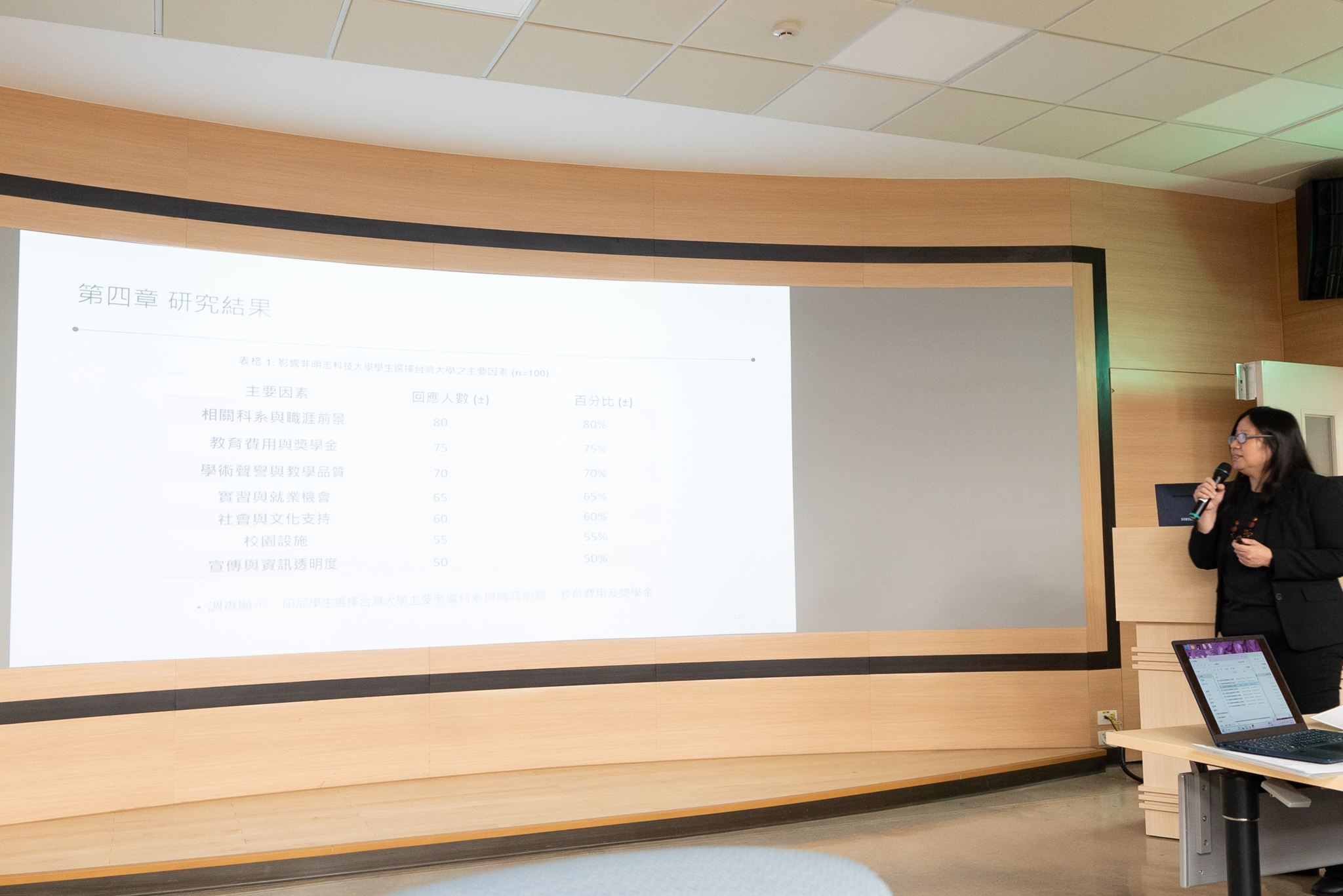 Prof. Yu shared her research findings Prof. Yu shared her research findings |
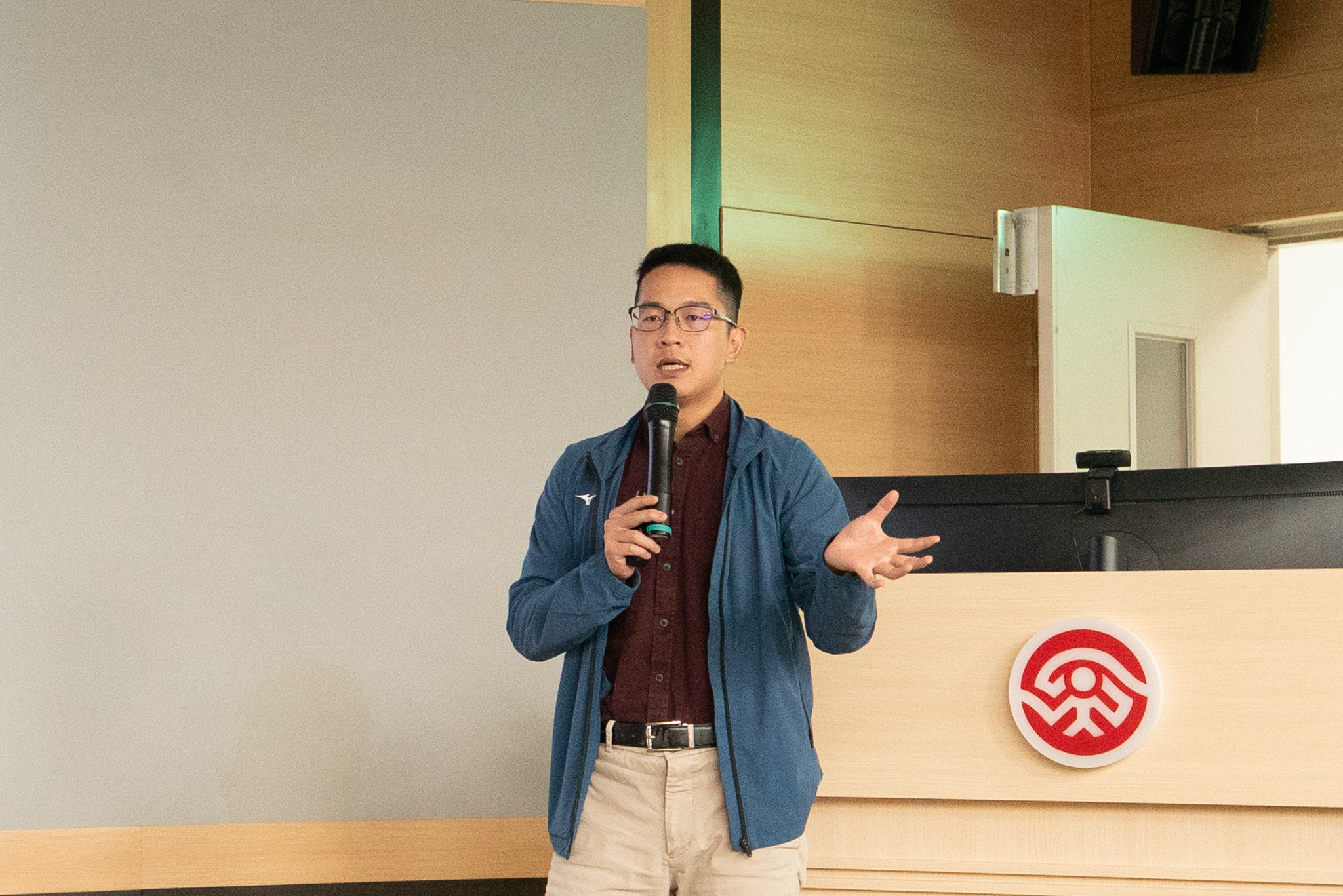 Presentation by Prof. Lai Presentation by Prof. Lai |
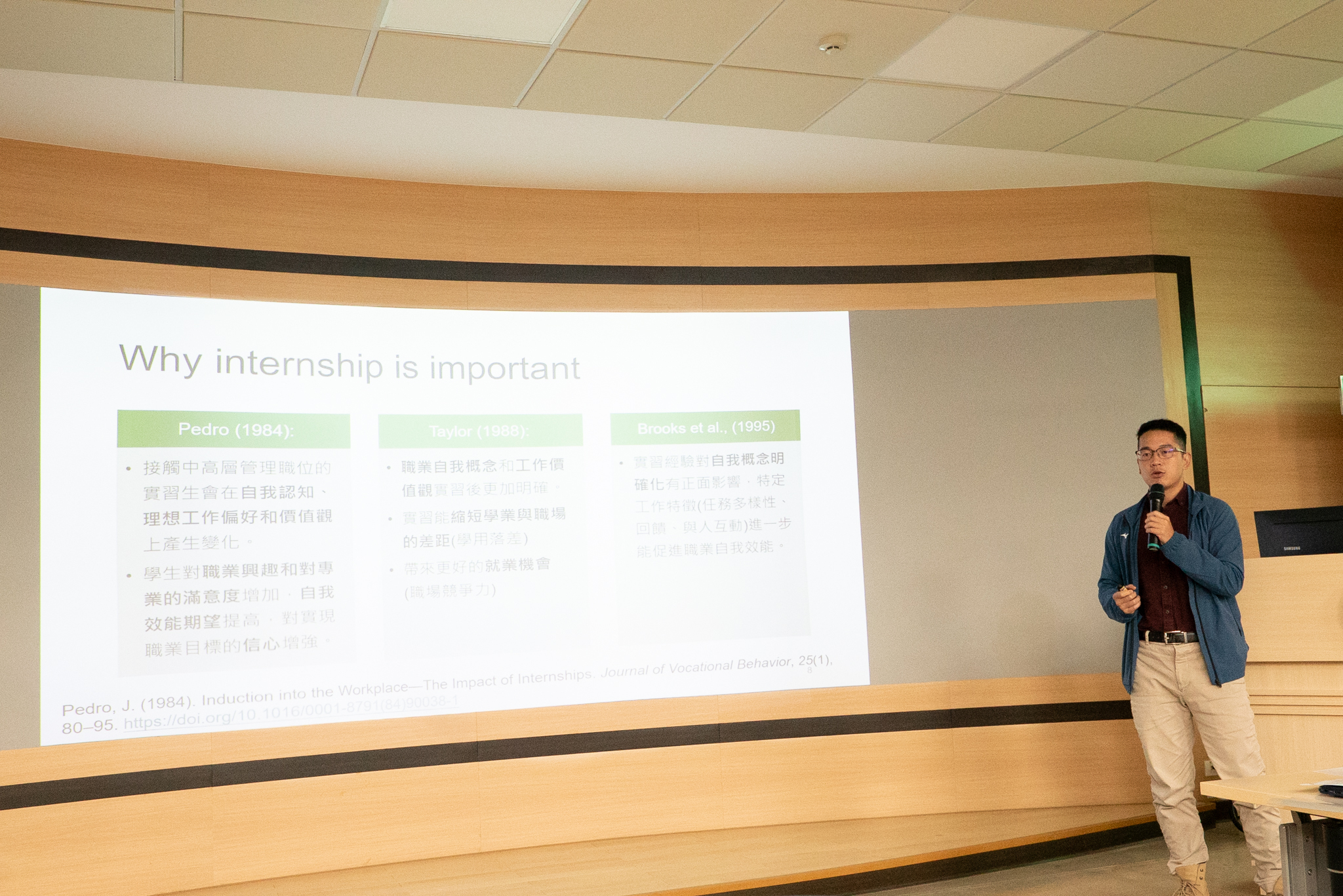 Prof. Lai shared his research findings Prof. Lai shared his research findings |
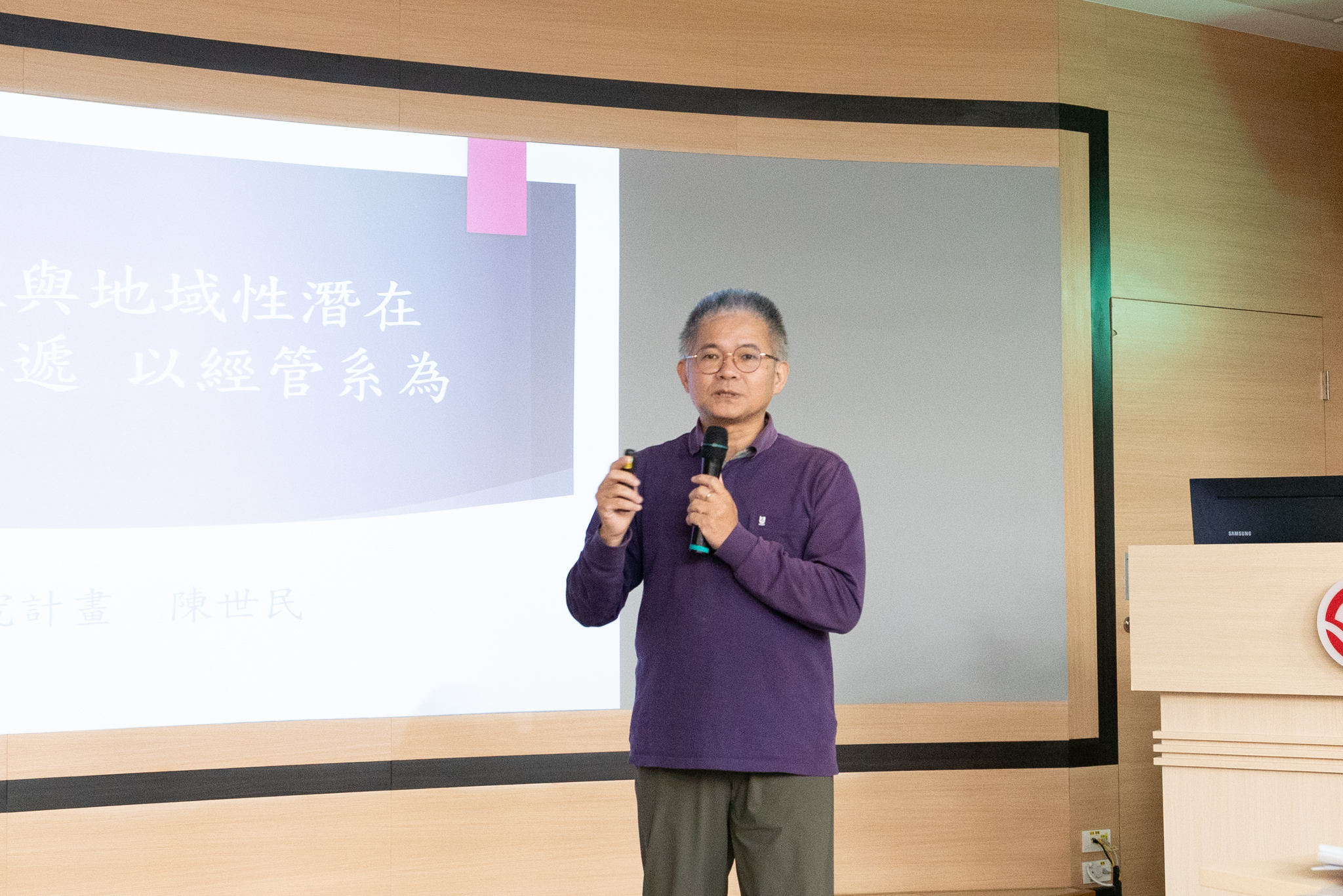 Presentation by Prof. Chen Presentation by Prof. Chen |
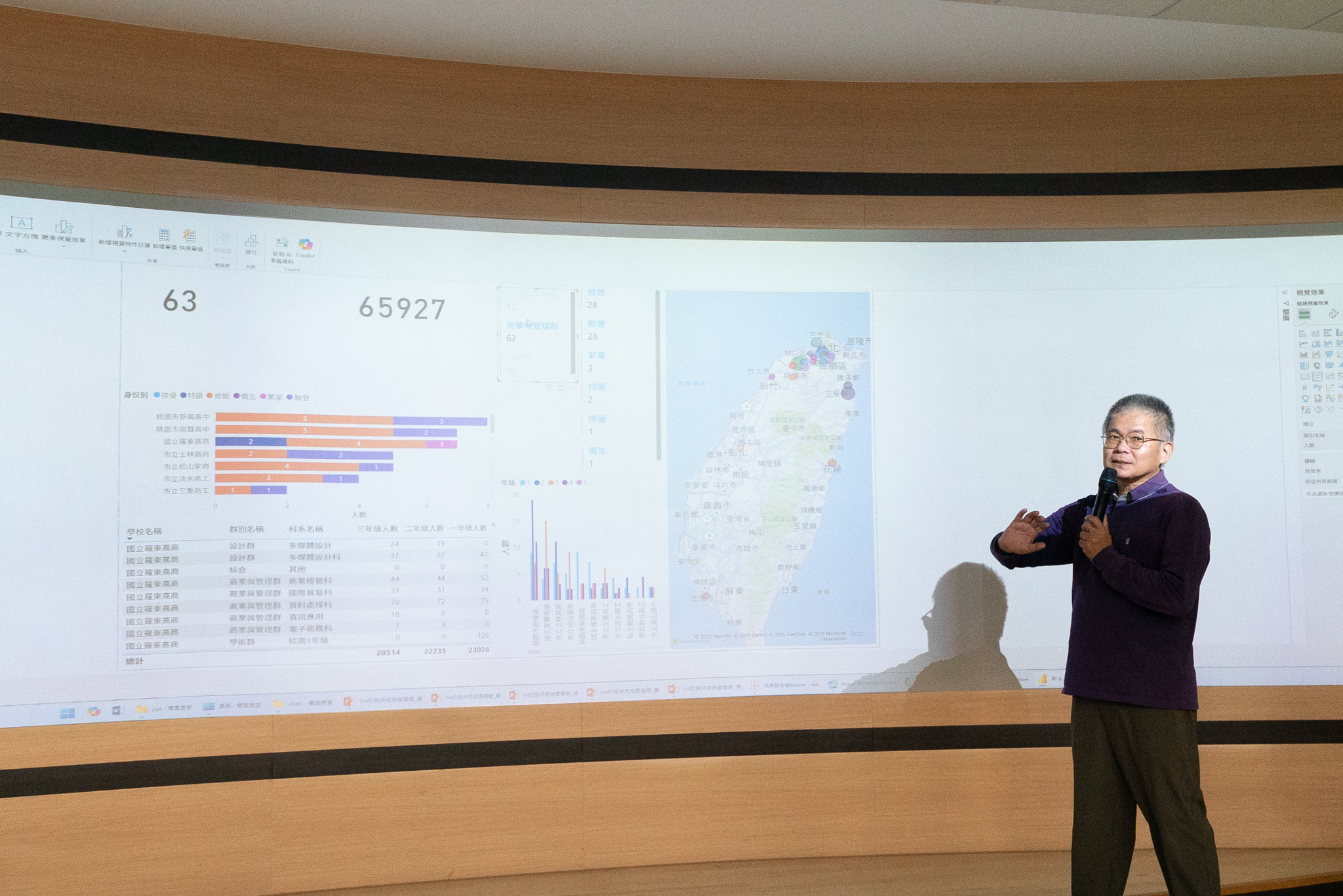 Prof. Chen shared his research findings Prof. Chen shared his research findings |
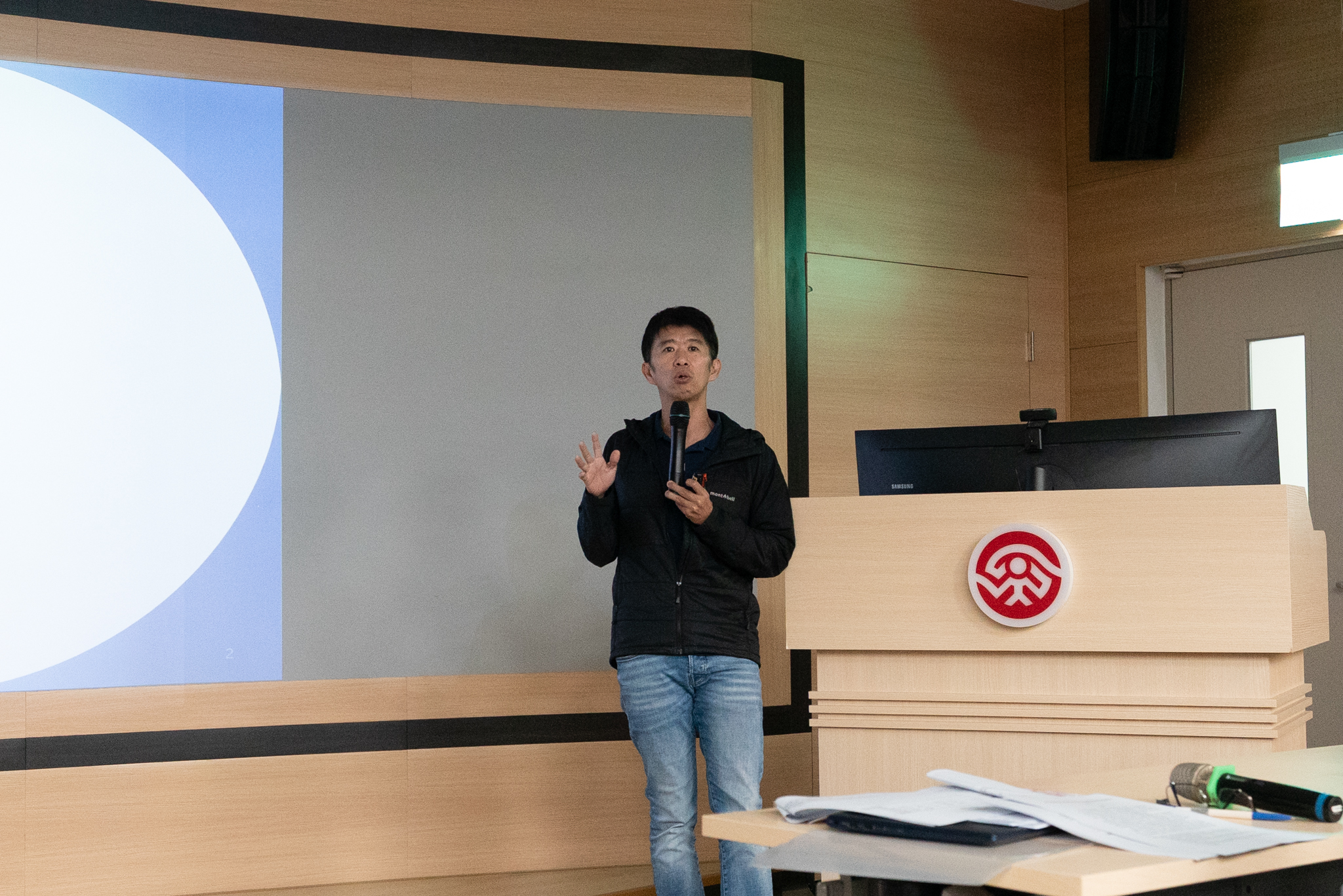 Presentation by Prof. Chien Presentation by Prof. Chien |
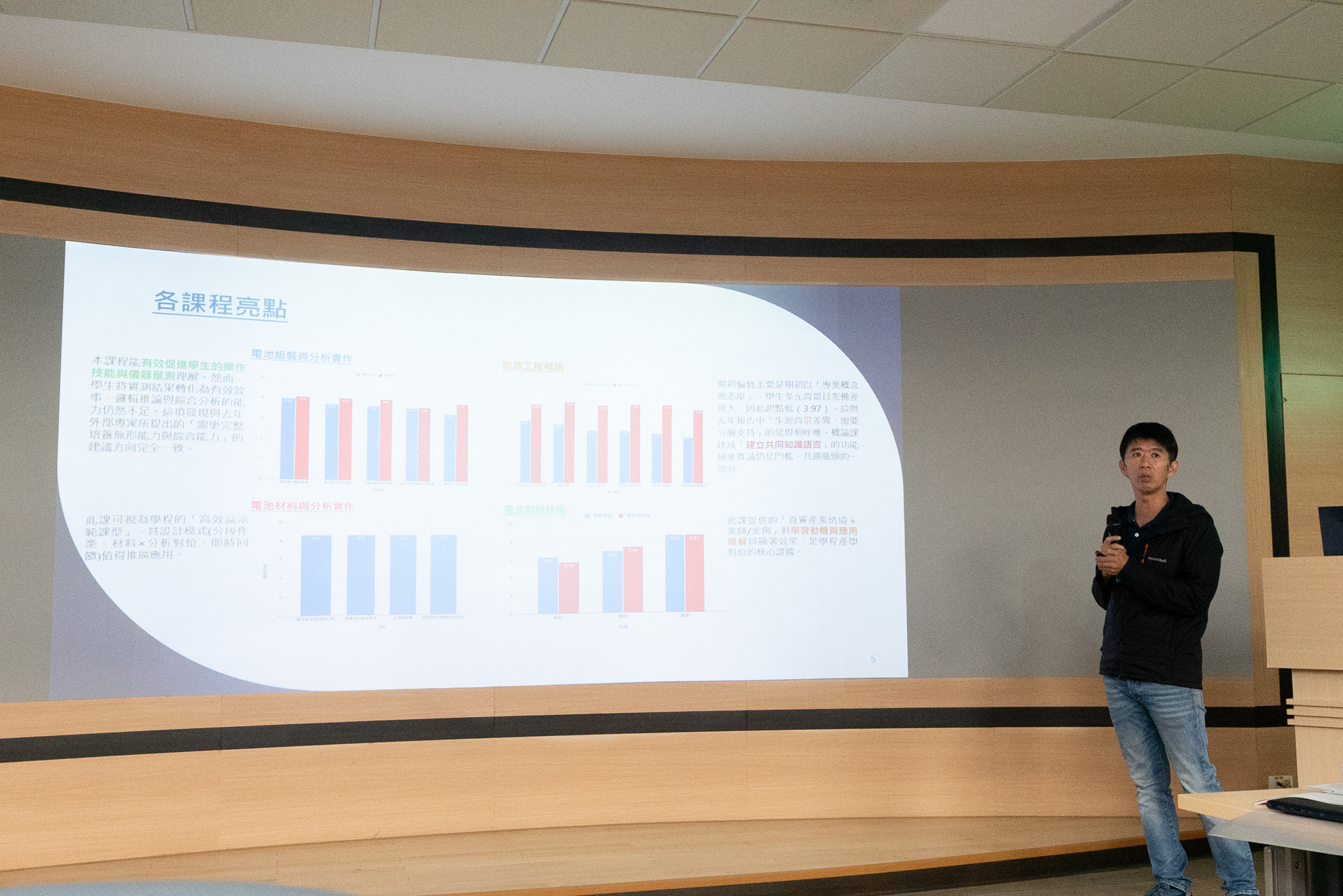 Prof. Chien shared his research findings Prof. Chien shared his research findings |
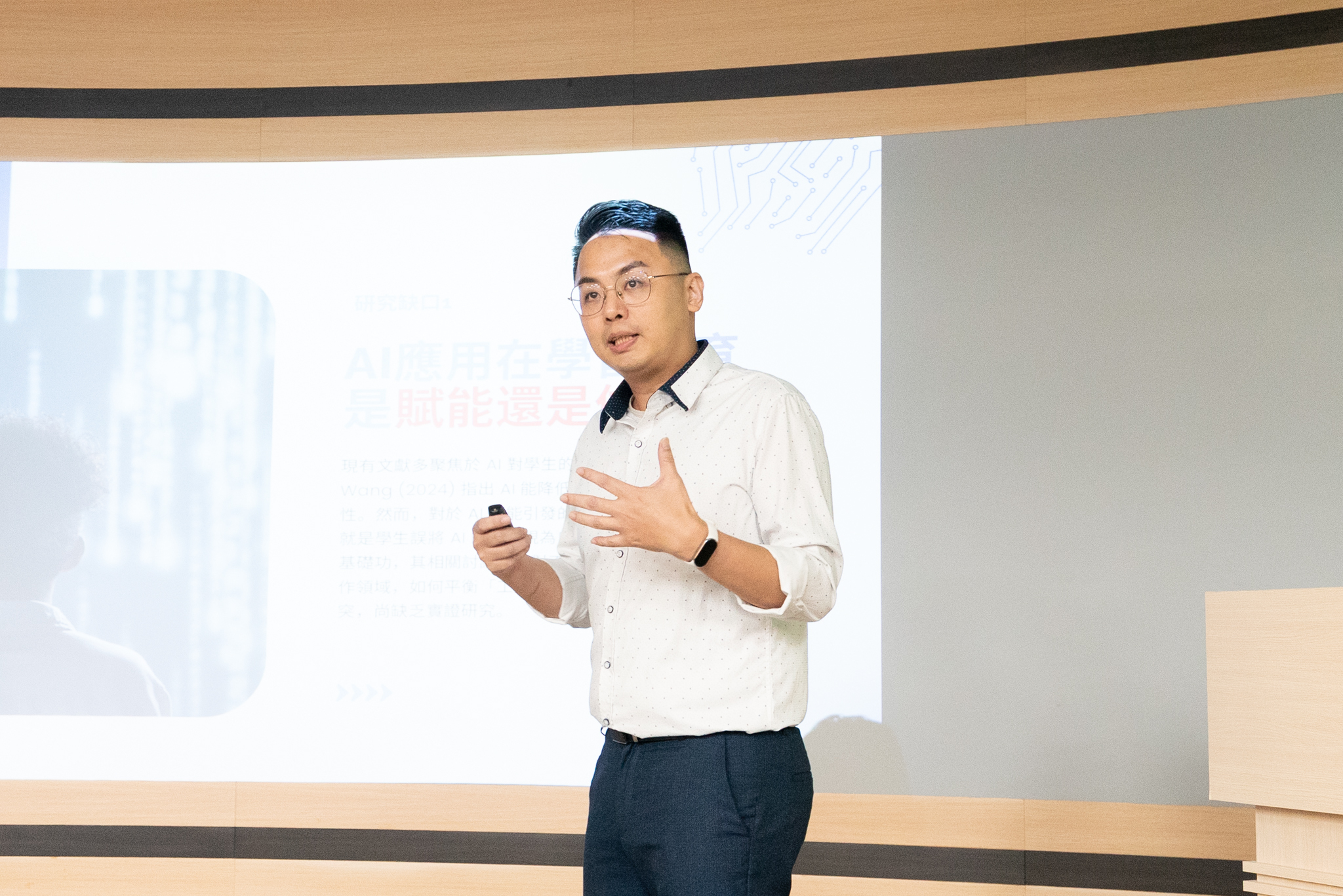 Presentation by Prof. Yang Presentation by Prof. Yang |
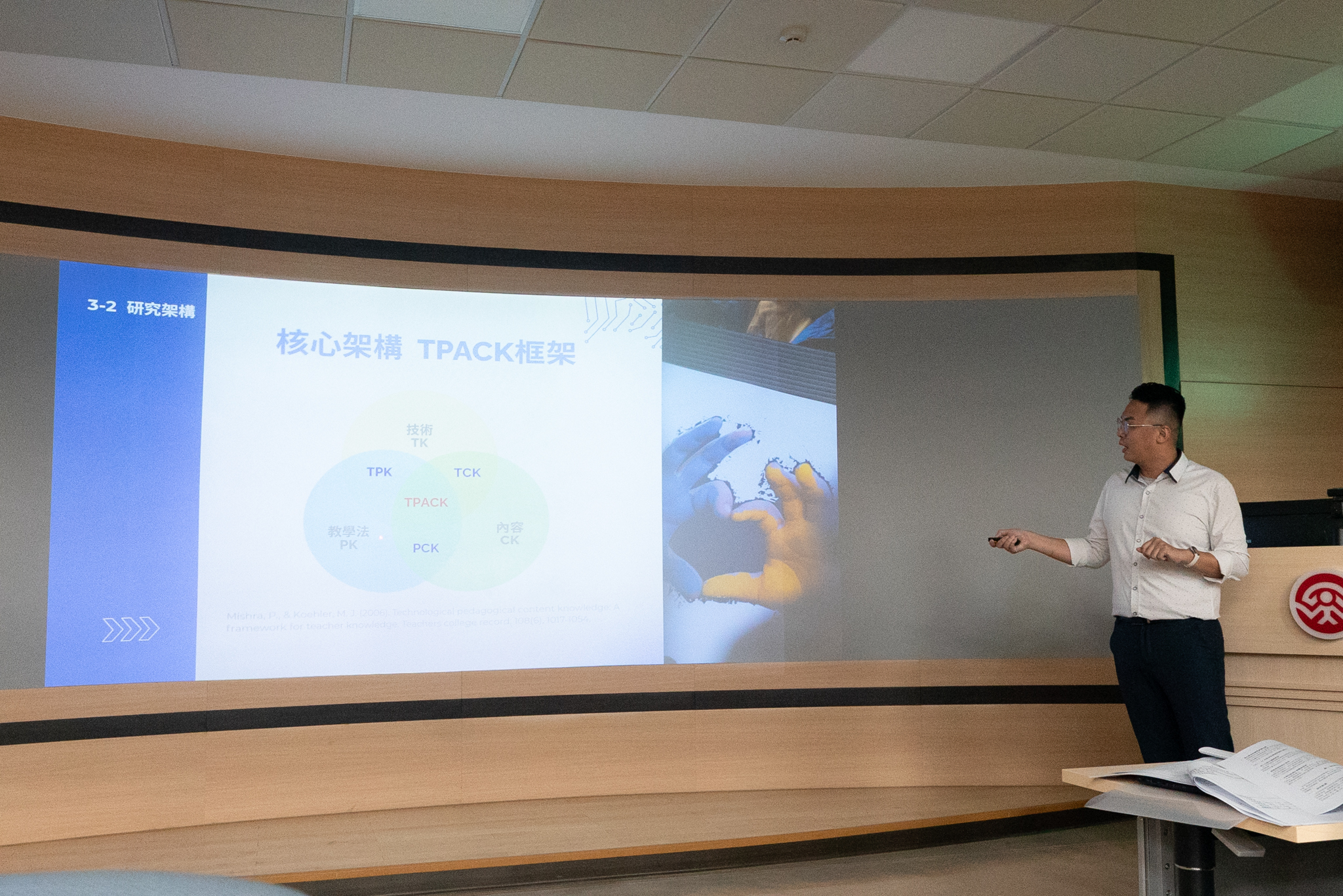 Prof. Yang shared his research findings Prof. Yang shared his research findings |
|
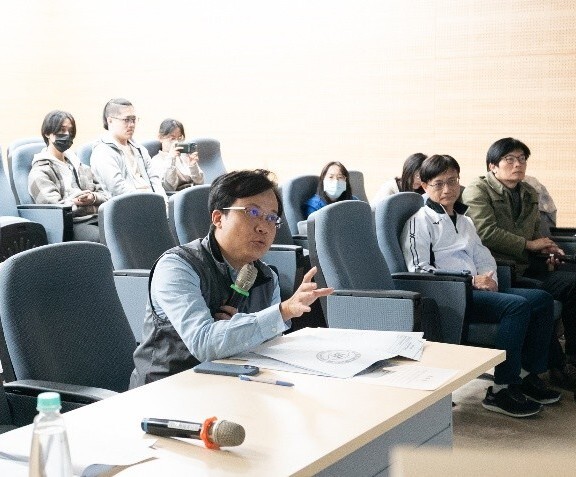 CGU IR Center Exec. Secy. Lin provided questions and recommendations |
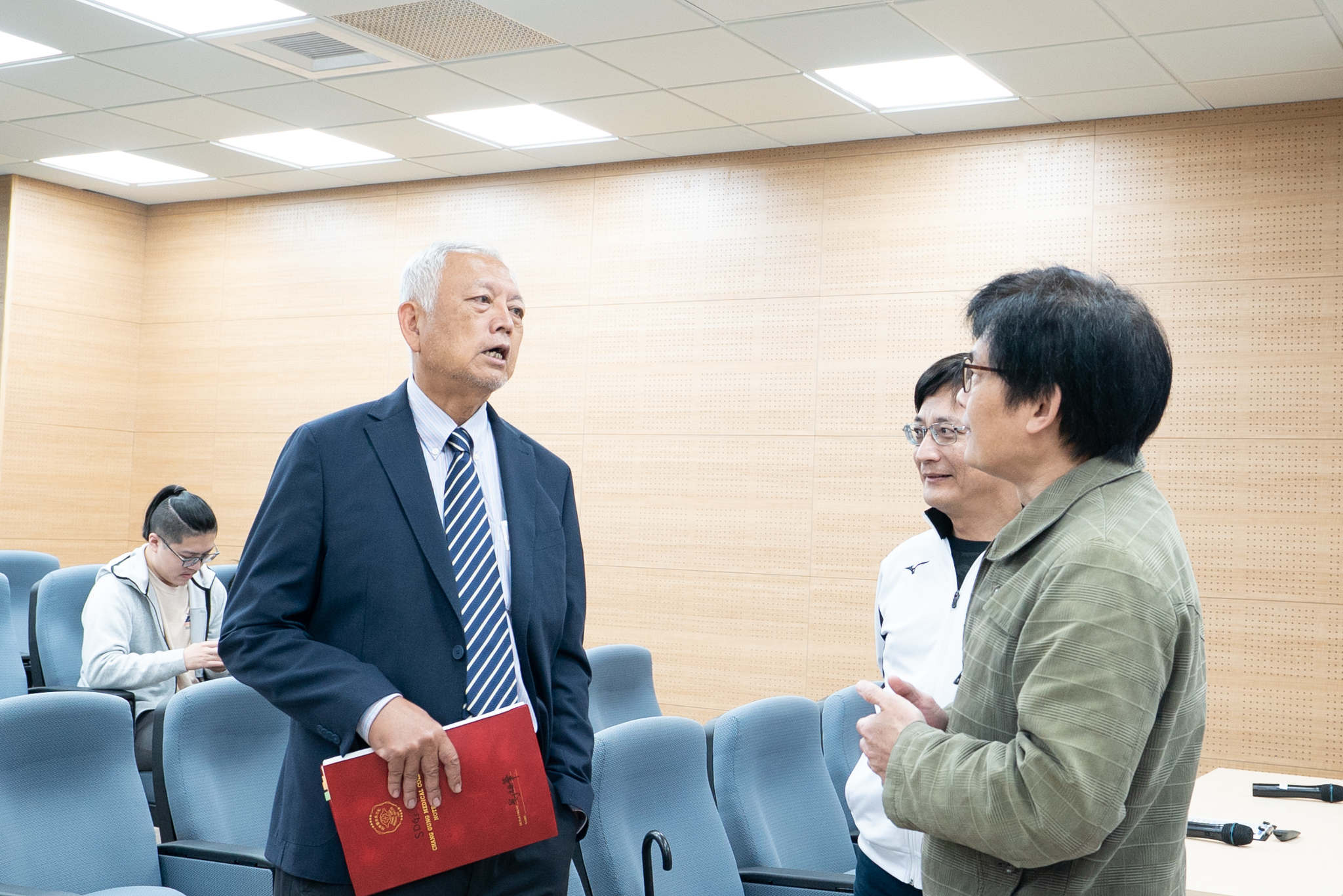 Pres. Liu &Sec.-Gen Chou attended the event in person.